
Brick Cleaning
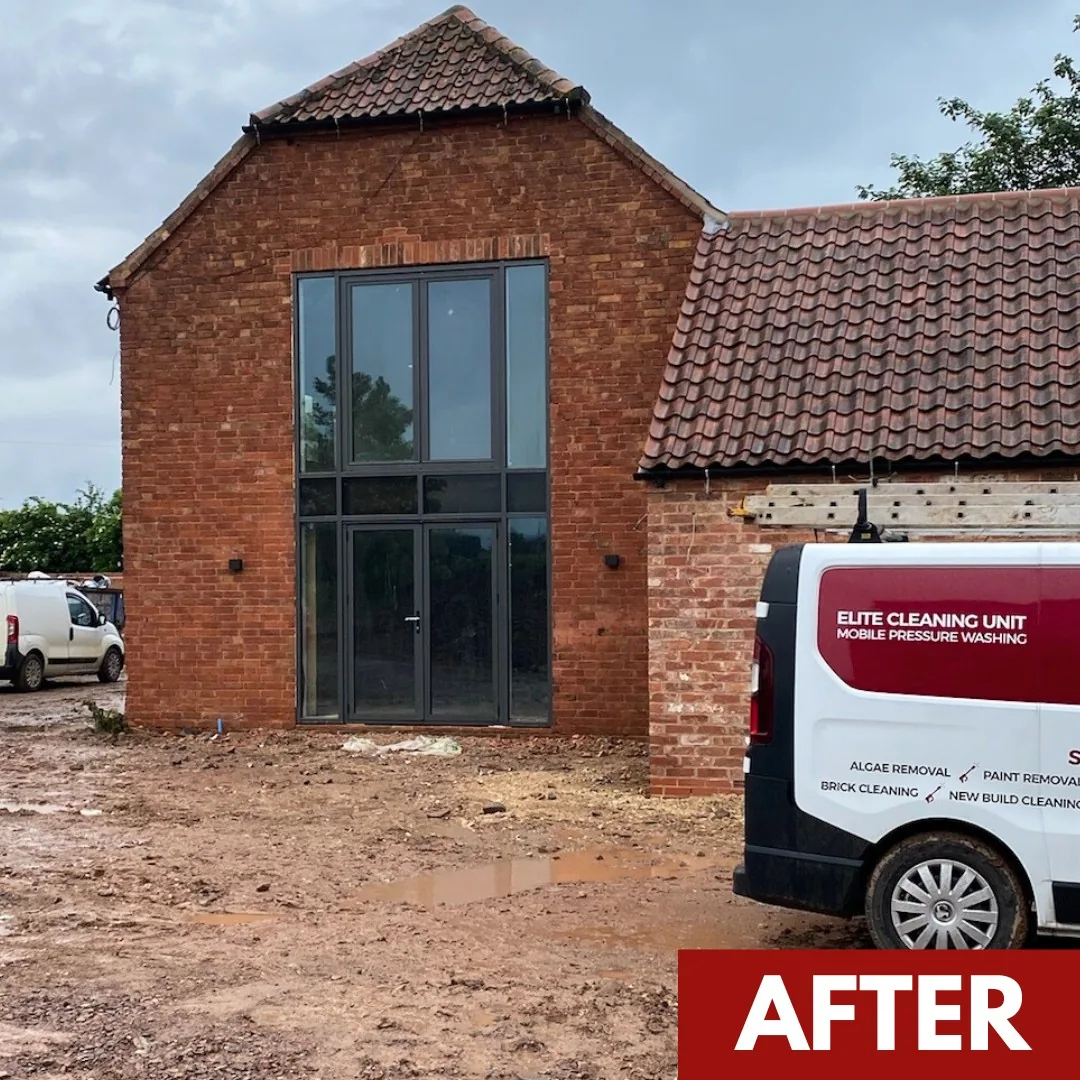
Brick Building Exterior Cleaning
Illustrative project · Marlow, Buckinghamshire
Before-and-after views of a brick gable with full-height glazing, exploring surface cleaning and the character of exposed masonry.
Read case study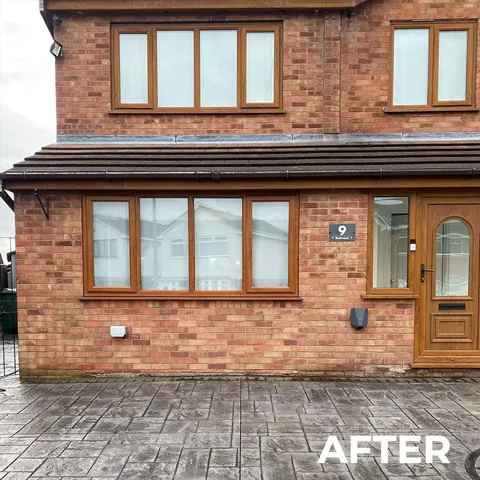
Brick Tinting
A closer look at a house frontage, the visual effect of uneven brick colour and the principles behind a more consistent finish.

SafeContractor approved

PASMA trained

5★ Google reviews

5★ Facebook reviews

Checkatrade
Illustrative case study · Reading, Berkshire
The location and project story below are fictional examples, not verified customer work. The photographs are from Brick Makeover’s existing image collection and are not attributed to this fictional location.
In this fictional Reading example, a homeowner has completed alterations to the ground-floor frontage of a family house. The replacement bricks are sound, but their lighter colour makes the repaired area stand out beside the original wall. The homeowner wants a cohesive appearance without removing the recently installed masonry or disguising the character of the existing bricks.
The illustrative plan begins with an inspection of the repaired area and the surrounding reference bricks. After suitable preparation, a small colour trial is developed using several related tones rather than one flat shade. The proposed finish is reviewed when dry, then the affected bricks are treated individually to create a more balanced transition. The imagined handover includes a final review from the driveway and practical advice on caring for the masonry.
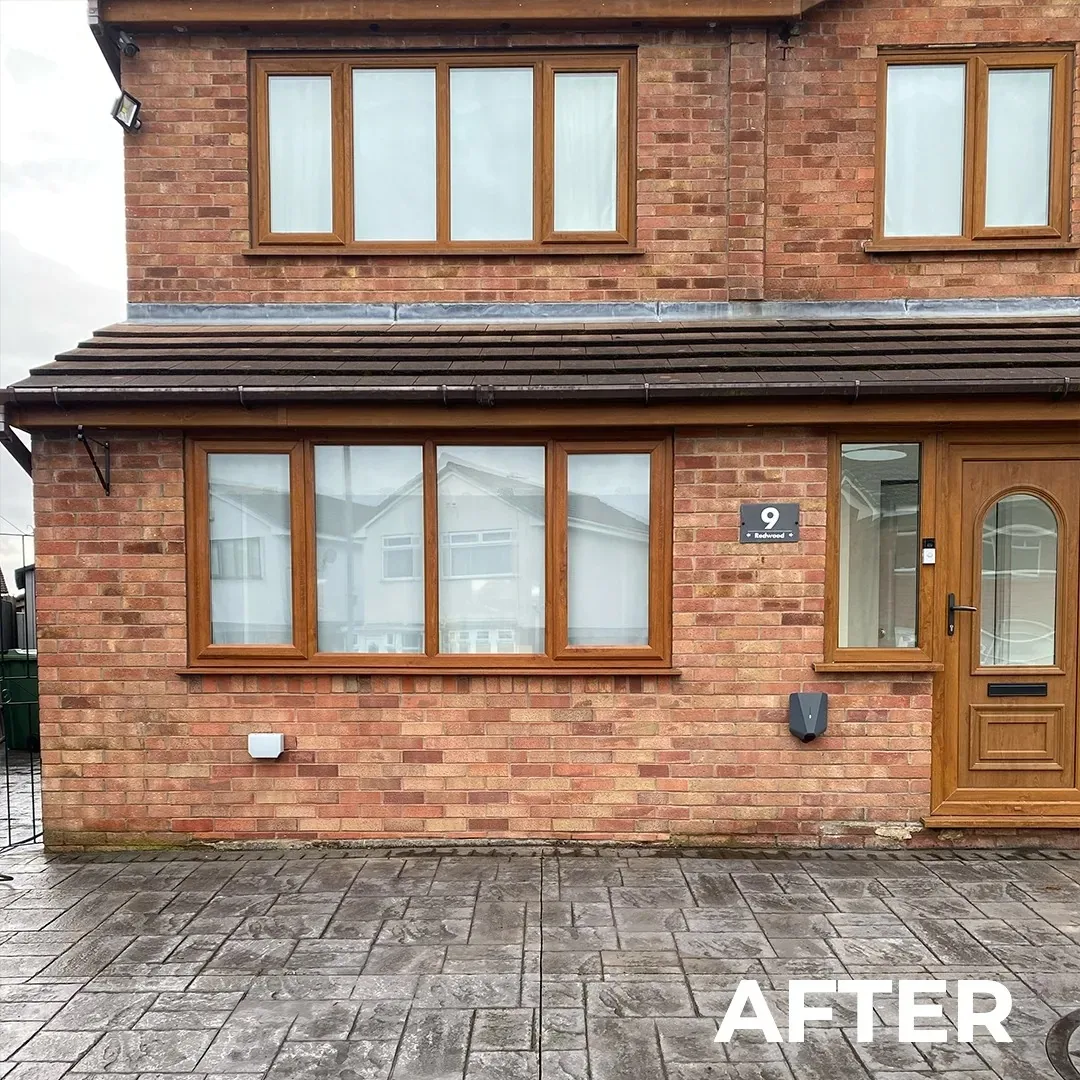

The supplied before-and-after photographs show the front of a brick house, including its ground-floor window, entrance and upper-storey brickwork. This is a useful example of why colour consistency matters on a residential frontage: the wall is viewed as a whole, but differences around windows, corners and adjoining areas can draw the eye to individual patches rather than the architecture of the building.
In the earlier photograph, a lighter area is visible towards the right-hand side of the ground-floor wall. In the later photograph, that area appears closer in tone to the neighbouring brickwork. The photographs illustrate the visual change without establishing the property's location, the reason for the original variation or the exact treatment specification. Those details require the project record rather than assumptions based on an image.
A brick wall rarely has one uniform colour. Individual bricks can contain warm red, muted brown, darker markings and lighter edges, while the mortar creates another layer of contrast. Simply applying the same colour everywhere can remove the variation that gives brickwork its natural character. A convincing match therefore needs to consider the distribution of colours across the wall, not just the average shade of one brick.
The viewing position also matters. Brickwork that appears close in colour at arm's length may still look different from the pavement or driveway. Windows, rooflines and door surrounds provide strong reference points, making localised inconsistencies particularly noticeable. Assessment should include both a close inspection of the surface and a wider view of the elevation in representative daylight.
Before considering tinting, a specialist would assess whether the difference comes from the bricks themselves or from surface deposits, moisture, previous coatings or weathering. These causes are not interchangeable. Cleaning might be appropriate for removable contamination, while colour correction may be suitable for a sound surface whose underlying shade differs from the surrounding masonry. Any defects or moisture problems need separate attention.
Preparation should be proportionate to the surface and the proposed system. Existing brick texture, mortar condition and absorbency all influence how a treatment behaves. The objective is not to make an old wall look artificially new, but to understand the existing materials well enough to achieve a compatible finish. A photograph helps begin that conversation; it does not replace an inspection.
A considered tinting approach starts with a small test area and a colour comparison against adjacent bricks. That comparison should account for the base shade, darker details and overall balance of the elevation. Depending on the masonry, more than one tint may be needed to retain a varied appearance. The exact product, preparation and application method should be selected for the actual substrate rather than copied from another property.
The test area should be reviewed once it has dried and in appropriate lighting. This allows the proposed appearance to be discussed before a larger area is treated. It also helps distinguish the temporary effect of a wet surface from the intended dry finish. Compatibility, breathability and maintenance requirements should be covered as part of the specification for the particular wall.
The two photographs make it possible to compare the relationship between the lighter patch and the rest of the frontage. In the later view, the colour appears more integrated, while the brick joints and individual units remain visible. The useful question is whether the wall reads more consistently as one elevation, rather than whether every brick has become exactly the same shade.
Lighting, camera exposure and the condition of a surface when photographed can affect colour reproduction. The comparison should therefore be read as a visual illustration, not a laboratory measurement or a promise that every property will produce the same result. No claims about price, completion time or long-term performance can be established from these photographs alone.
If a patch of brickwork stands out after alterations or repairs, photographs of the entire elevation and close-ups of the affected area provide a useful starting point. Include nearby bricks and mortar in the same frame so the intended reference colour is clear. Information about previous cleaning, coatings, repairs and dampness can also help identify what needs to be assessed before a treatment is proposed.
Brick Makeover can discuss the appearance you want to achieve and whether cleaning, tinting or another form of masonry work is appropriate. The next step is a property-specific assessment, with any proposed colour work demonstrated on a test area where suitable. Use the enquiry form below to share the location, the area of concern and photographs of your brickwork.
Brick Cleaning
Illustrative project · Marlow, Buckinghamshire
Before-and-after views of a brick gable with full-height glazing, exploring surface cleaning and the character of exposed masonry.
Read case study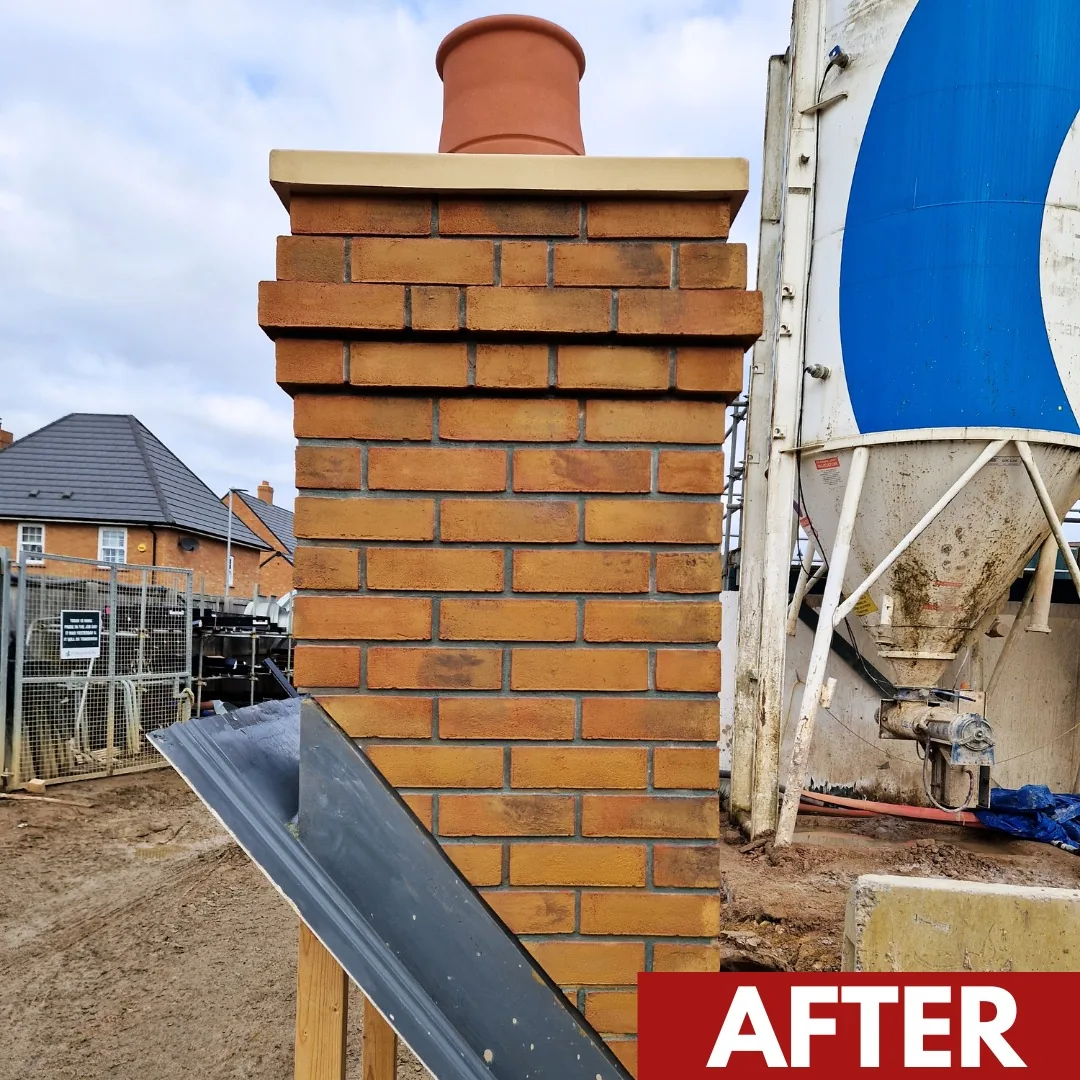
Brick Tinting
Illustrative project · Windsor, Berkshire
A chimney comparison showing a shift from red-toned brickwork to a warmer golden appearance, with a focus on careful colour specification.
Read case studyLets Get In Touch
Riverside Chambers, Full Street, Derby DE1 3AF
Give us a call or fill in the form to request a quote and one of our experts will get in contact.
Contact Us!